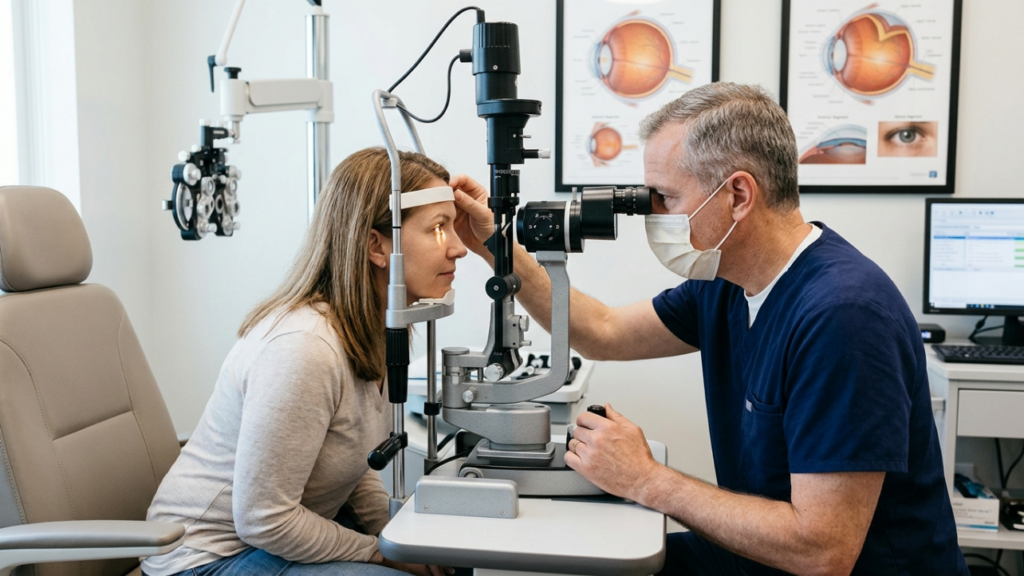
10 Early Signs of Glaucoma You Should Never Ignore

10 Early Signs of Glaucoma You Should Never Ignore

Glaucoma is often called the “silent thief of sight” because it can slowly damage your vision without causing noticeable symptoms in its early stages. Many people do not realize they have glaucoma until permanent vision loss has already occurred.

The good news is that early diagnosis and treatment can help slow or prevent further vision loss in many cases. Knowing the warning signs and understanding your risk factors can encourage you to seek an eye examination before serious damage develops.

Medical Note: This article is for educational purposes only and should not replace professional medical advice. If you notice changes in your vision or have concerns about glaucoma, schedule an examination with an eye care professional promptly.


Table of Contents

  • What Is Glaucoma?
  • Why Early Detection Matters
  • 10 Early Signs of Glaucoma
  • Who Is at Risk?
  • Causes of Glaucoma
  • How Glaucoma Is Diagnosed
  • Treatment Options
  • Lifestyle Tips
  • Foods That Support Eye Health
  • Foods to Limit
  • Exercise Recommendations
  • Expert Tips
  • Common Mistakes
  • Frequently Asked Questions
  • Final Thoughts

What Is Glaucoma?

Glaucoma is a group of eye conditions that damage the optic nerve, the structure that carries visual information from your eyes to your brain. Damage is often associated with increased pressure inside the eye, although glaucoma can also occur with normal eye pressure.

Once optic nerve damage occurs, it usually cannot be reversed. That is why early detection is so important.

The most common forms include:

  • Open-angle glaucoma
  • Angle-closure glaucoma
  • Normal-tension glaucoma
  • Congenital glaucoma

Open-angle glaucoma develops slowly over time and is the most common type.


Why Early Detection Matters

Unlike many eye diseases, glaucoma may progress for years without causing pain or obvious symptoms.

Early diagnosis can:

  • Help preserve remaining vision
  • Reduce the risk of blindness
  • Slow disease progression
  • Improve quality of life
  • Allow treatment before significant optic nerve damage occurs

Regular comprehensive eye examinations are especially important for adults over age 40 and anyone with additional risk factors.


10 Early Signs of Glaucoma You Should Never Ignore

1. Gradual Loss of Peripheral Vision

One of the earliest early signs of glaucoma is losing side vision.

Instead of noticing blurry central vision, you may find it harder to see objects beside you.

People often describe it as:

  • Bumping into furniture
  • Missing people standing nearby
  • Difficulty seeing while walking
  • Trouble noticing movement from the sides

Because the change happens slowly, many people don’t realize it is occurring.


2. Blurred Vision

Occasional blurry vision can happen for many reasons, but persistent or worsening blurred vision should never be ignored.

Blurred vision related to glaucoma may:

  • Come and go
  • Become worse over time
  • Affect one or both eyes
  • Make reading more difficult

Any persistent vision change deserves prompt evaluation by an eye care professional.


3. Seeing Halos Around Lights

Seeing rainbow-colored circles or halos around headlights or streetlights—especially at night—can sometimes indicate increased eye pressure.

People often notice halos:

  • While driving
  • Around bright indoor lights
  • During evening hours
  • After waking up

Although halos can have other causes, they warrant a professional eye examination.


4. Mild Eye Pain or Pressure

Open-angle glaucoma is usually painless, but some people report:

  • A feeling of pressure
  • Mild aching
  • Eye discomfort
  • A sensation of heaviness

Sudden, severe eye pain accompanied by nausea or blurred vision is a medical emergency and may indicate acute angle-closure glaucoma.


5. Frequent Headaches

Recurring headaches—particularly around the eyes or forehead—may occasionally be associated with elevated eye pressure.

Because headaches have many possible causes, they should not be assumed to be glaucoma. However, if they occur alongside vision changes, an eye examination is recommended.


6. Difficulty Adjusting to Darkness

Do your eyes take much longer to adapt after entering a dark room?

Some people with glaucoma notice:

  • Difficulty driving at night
  • Poor vision in dim lighting
  • Trouble entering movie theaters
  • Longer adjustment after lights are turned off

This symptom may develop gradually over months or years.


7. Patchy Blind Spots

Small blind spots may begin appearing in your field of vision.

Initially, your brain often compensates for these missing areas, making them difficult to notice.

As glaucoma progresses, these blind spots may become larger and more frequent.


8. Reduced Contrast Sensitivity

Contrast sensitivity is your ability to distinguish objects from their background.

People may notice:

  • Difficulty reading gray text
  • Trouble seeing curbs
  • Problems in foggy weather
  • Reduced vision in low-light conditions

This subtle symptom can affect daily activities even before major vision loss occurs.


9. Frequent Prescription Changes

If your eyeglass prescription seems to change more often than expected, it doesn’t necessarily mean you have glaucoma. However, ongoing changes in vision should prompt a comprehensive eye examination to rule out underlying eye conditions, including glaucoma.


10. Tunnel Vision (Advanced Warning Sign)

Tunnel vision usually develops later in glaucoma but can occur if the disease has progressed unnoticed.

People may notice:

  • Side vision disappearing
  • Needing to turn their head more often
  • Difficulty driving safely
  • Problems navigating crowded spaces

Tunnel vision is a sign that significant optic nerve damage may already have occurred.


Who Is at Risk?

You may have a higher risk of glaucoma if you:

  • Are over age 40
  • Have a family history of glaucoma
  • Have diabetes
  • Have high blood pressure
  • Are very nearsighted or farsighted
  • Have had an eye injury
  • Use corticosteroid medications for long periods
  • Are of African, Hispanic/Latino, or Asian ancestry (risk varies by glaucoma type)

Having one or more risk factors does not mean you will develop glaucoma, but it may mean you should have regular comprehensive eye exams.


Common Causes of Glaucoma

Glaucoma can develop due to a combination of factors, including:

  • Increased pressure inside the eye (intraocular pressure)
  • Reduced blood flow to the optic nerve
  • Genetic predisposition
  • Structural abnormalities in the eye’s drainage system
  • Aging
  • Previous eye trauma

In some cases, glaucoma occurs even when eye pressure remains within the normal range.

How Glaucoma Is Diagnosed

Diagnosing glaucoma requires more than a standard vision test. During a comprehensive eye examination, an eye care professional may perform several tests to evaluate the health of your eyes and optic nerve.

Common diagnostic tests include:

Tonometry

Measures the pressure inside your eye (intraocular pressure or IOP). Elevated pressure can increase the risk of glaucoma, but glaucoma can also occur with normal eye pressure.

Dilated Eye Examination

Special eye drops widen (dilate) your pupils so the doctor can examine the optic nerve for signs of damage.

Visual Field Test

This painless test checks your peripheral (side) vision to detect blind spots that may indicate glaucoma.

Optical Coherence Tomography (OCT)

OCT uses light waves to create detailed images of the optic nerve and retina. It can detect structural changes before noticeable vision loss occurs.

Gonioscopy

This test evaluates the drainage angle of the eye to help determine whether the glaucoma is open-angle or angle-closure.

Pachymetry

Measures the thickness of the cornea, which can affect eye pressure readings and help guide diagnosis.

Tip: Adults over 40, especially those with risk factors, should discuss the appropriate frequency of comprehensive eye exams with their eye care professional.


Treatment Options

Although glaucoma cannot currently be cured, treatment can often slow or stop further damage by lowering eye pressure.

Prescription Eye Drops

Eye drops are commonly the first treatment option.

They work by:

  • Reducing fluid production in the eye
  • Improving fluid drainage
  • Lowering intraocular pressure

It is important to use prescribed eye drops exactly as directed, even if you do not notice symptoms.


Oral Medications

If eye drops alone are not enough, oral medications may be prescribed for certain situations to help reduce eye pressure.


Laser Treatment

Laser procedures may improve fluid drainage and lower eye pressure.

Common options include:

  • Selective Laser Trabeculoplasty (SLT)
  • Laser Peripheral Iridotomy (for certain types of angle-closure glaucoma)

Your eye specialist can determine whether laser treatment is appropriate for your condition.


Surgery

When medications or laser treatment are insufficient, surgery may be recommended.

Examples include:

  • Trabeculectomy
  • Glaucoma drainage devices (tube shunts)
  • Minimally Invasive Glaucoma Surgery (MIGS)

The best option depends on the type and severity of glaucoma.


Lifestyle Tips for Protecting Your Vision

Healthy daily habits cannot cure glaucoma, but they can support overall eye health and complement your treatment plan.

Consider these tips:

  • Attend all scheduled eye examinations.
  • Take prescribed medications consistently.
  • Protect your eyes from injury with appropriate eyewear.
  • Avoid smoking.
  • Manage blood pressure and diabetes.
  • Maintain a healthy body weight.
  • Stay physically active.
  • Get enough sleep.
  • Limit excessive caffeine if advised by your healthcare provider.
  • Discuss any supplements with your doctor before taking them.

Foods That Help Support Eye Health

A balanced diet rich in nutrients supports overall eye health.

Foods to include:

Leafy Green Vegetables

Examples:

  • Spinach
  • Kale
  • Swiss chard

These provide lutein and zeaxanthin, nutrients associated with healthy vision.


Colorful Fruits

Examples:

  • Oranges
  • Berries
  • Kiwi
  • Grapefruit

Rich in vitamin C and antioxidants.


Fatty Fish

Examples:

  • Salmon
  • Sardines
  • Mackerel

Provide omega-3 fatty acids that support overall eye health.


Nuts and Seeds

Good choices include:

  • Almonds
  • Walnuts
  • Flaxseed
  • Chia seeds

These provide healthy fats and vitamin E.


Eggs

Egg yolks contain lutein and zeaxanthin, which are beneficial for eye health.


Whole Grains

Examples:

  • Brown rice
  • Oats
  • Whole wheat
  • Quinoa

Whole grains support overall cardiovascular health, which may also benefit eye health.


Foods to Limit

There is no specific “glaucoma diet,” but some people may benefit from moderating:

  • Sugary beverages
  • Highly processed foods
  • Excessive sodium
  • Trans fats
  • Excessive alcohol
  • Large amounts of caffeine (if recommended by a healthcare professional)

A balanced eating pattern is generally more beneficial than focusing on individual foods.


Exercise Recommendations

Regular physical activity supports overall health and may contribute to healthy eye pressure in some individuals.

Good options include:

  • Walking
  • Cycling
  • Swimming
  • Light jogging
  • Yoga (avoid positions where the head is below the heart for prolonged periods unless approved by your doctor)
  • Low-impact aerobics

Aim for about 150 minutes of moderate-intensity exercise per week, unless your healthcare provider recommends otherwise.


Expert Tips

Eye care specialists often recommend:

  • Never skip your glaucoma medications.
  • Set reminders for eye drop schedules.
  • Inform all healthcare providers about your glaucoma diagnosis.
  • Wear sunglasses with UV protection outdoors.
  • Know your family history of eye disease.
  • Have regular follow-up appointments, even if your vision seems normal.

Common Mistakes to Avoid

Many people unintentionally increase their risk of vision loss by making avoidable mistakes.

Common examples include:

  • Waiting until symptoms appear before getting an eye exam
  • Stopping eye drops because vision seems normal
  • Missing follow-up appointments
  • Ignoring gradual changes in side vision
  • Self-treating with unproven remedies
  • Assuming normal vision means healthy eyes

Remember, glaucoma often progresses silently.


Frequently Asked Questions

1. Can glaucoma be cured?

No. Current treatments cannot reverse existing optic nerve damage, but they can often slow or prevent further vision loss.


2. Is glaucoma always caused by high eye pressure?

No. Some people develop glaucoma despite having eye pressure within the normal range.


3. At what age should I be screened?

Adults over 40 and anyone with risk factors should discuss regular comprehensive eye exams with an eye care professional.


4. Can glaucoma cause blindness?

Yes. Untreated glaucoma can lead to permanent vision loss and blindness. Early diagnosis greatly improves the chances of preserving vision.


5. Does glaucoma affect both eyes?

It often affects both eyes, although one eye may be affected earlier or more severely than the other.


6. Are glaucoma symptoms always noticeable?

No. The most common type, open-angle glaucoma, often develops without obvious symptoms until significant vision loss has occurred.


Final Thoughts

Recognizing the early signs of glaucoma can make a meaningful difference in protecting your vision. Symptoms such as gradual loss of peripheral vision, blurred vision, halos around lights, or unexplained eye discomfort should never be ignored. Because glaucoma frequently develops without noticeable symptoms, regular comprehensive eye examinations remain the most effective way to detect the disease early.

If you have risk factors such as a family history of glaucoma, diabetes, or are over the age of 40, speak with an eye care professional about an appropriate screening schedule. Early diagnosis and consistent treatment can help preserve your eyesight for years to come.

Medical Disclaimer: This article is intended for educational purposes only and is not a substitute for professional medical advice, diagnosis, or treatment. Always consult an ophthalmologist, optometrist, or another qualified healthcare professional regarding concerns about your vision or eye health.


Call to Action

Your eyesight is invaluable. If you or someone you know has noticed possible warning signs of glaucoma—or it’s been a while since your last comprehensive eye exam—schedule an appointment with an eye care professional. Early detection is one of the most effective ways to protect your vision.

Comments

No comments yet. Why don’t you start the discussion?

Leave a Reply

Your email address will not be published. Required fields are marked *